
Terminal operations, monitored — not guessed
Berth schedules, tank levels and conveyor throughput are tracked from a central operations desk at our Rotterdam terminal, across four areas of technology, so decisions are based on current data rather than end-of-shift reports.
Arrival windows, integrated with berth planning
Incoming vessel schedules feed directly into our berth planning system, so pilotage, mooring teams and cargo documentation are ready before a ship reaches the quay.
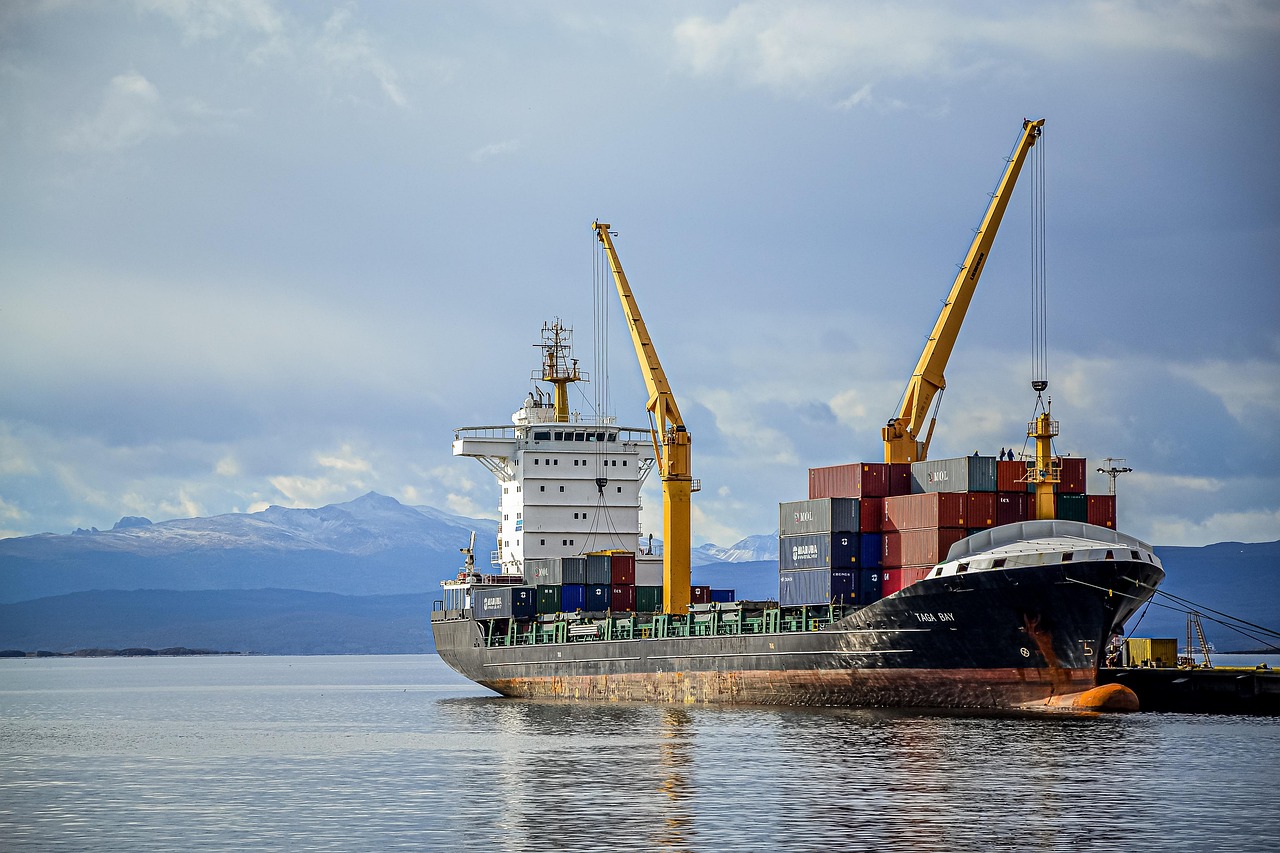
Pipeline throughput, logged as it happens
Direct pipeline metering between tank farm and berth gives an auditable, real-time record of every transfer — the same data used for custody transfer documentation.
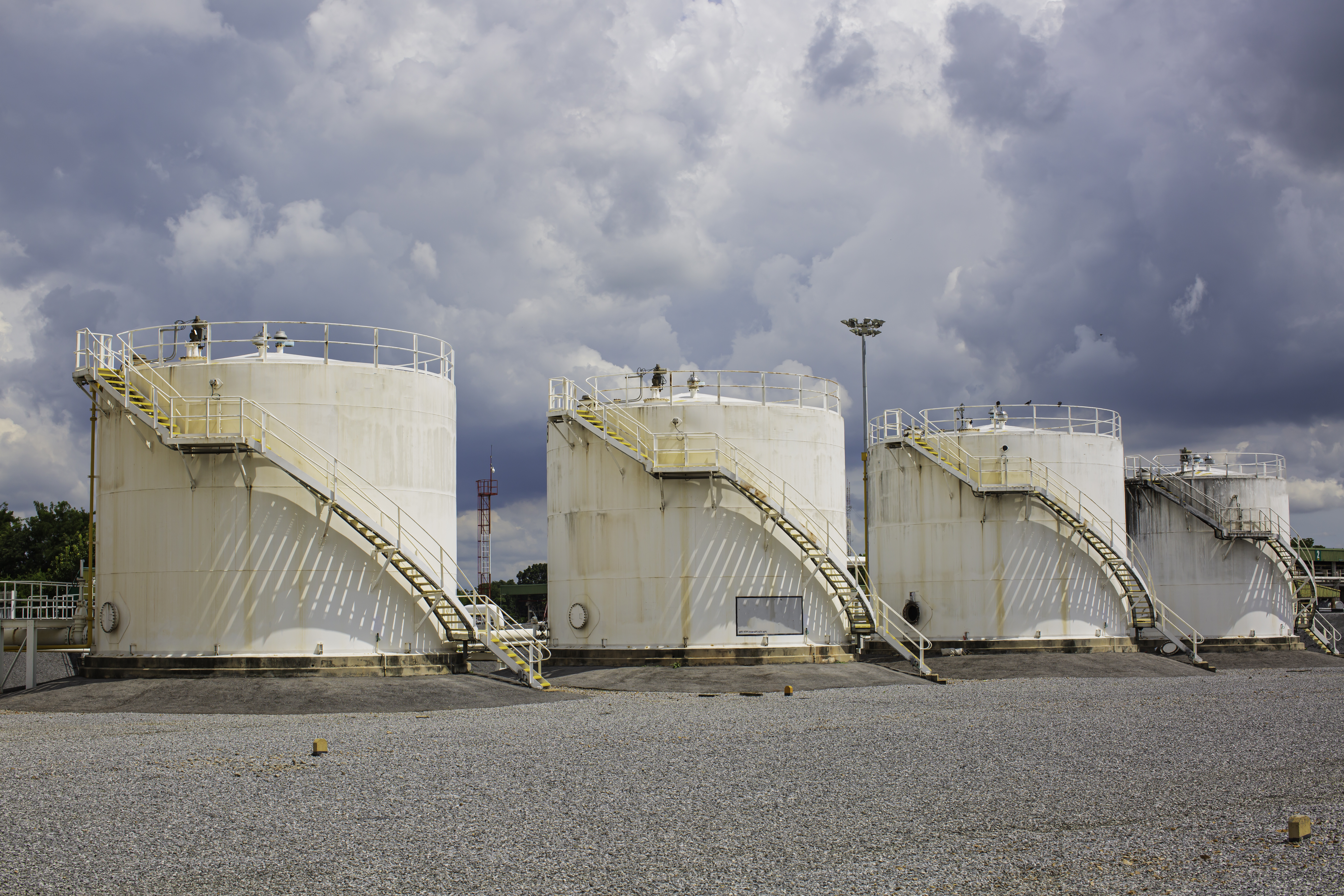
Stacker-reclaimer systems, run to schedule
Dry bulk stockpiles are managed by automated stacker-reclaimer conveyors, coordinated against the same throughput schedule as berth and rail loading.
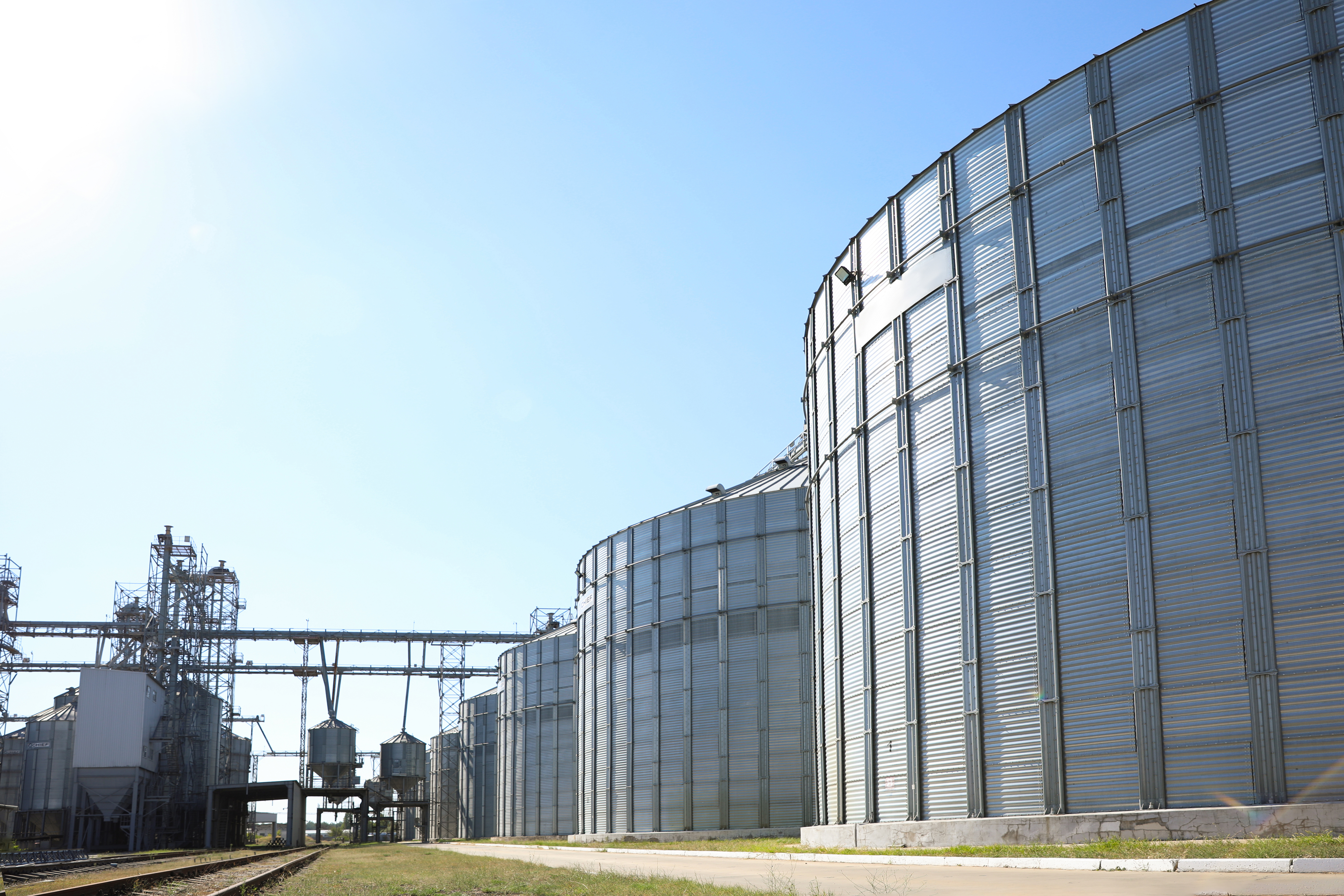
Compliance records, not paper trails
Custody transfer records, HSE checklists and compliance documentation are captured digitally on-site, replacing paper logs that are slow to search and easy to lose.

Live conditions, published on our Rotterdam terminal page
The same monitoring discipline behind our internal systems also drives the live weather and sea-state widget below — pulled from the free Open-Meteo API, refreshed on every page load.
Data that changes a decision is worth more than a dashboard that just looks busy
Every system we run is judged on whether it helps a berth planner or terminal manager make a faster, better call — not on how advanced it looks.
Where to find out more
| Terminal Network Overview | Our World |
| Annual Expenditure | View Breakdown |
| HSE Standards | Read More |
| Sustainability Commitments | Read More |
Extending live data across the network
Hub Weather Sharing
Live Rotterdam conditions shared with partner locations
Capacity Dashboards
Public-facing capacity indicators
Emissions Tracking
Shore power usage reporting