
Cargo moves between vessels — safely, on schedule
Transhipment is the core of what Hanno does: loading and unloading maritime cargo between deep-sea vessels, barges and rail, coordinated berth-to-berth by our terminal team at Rotterdam, with the same discipline extended through our subleasing partners.
Every transfer is scheduled against real vessel arrival windows, not fitted around our own capacity constraints.
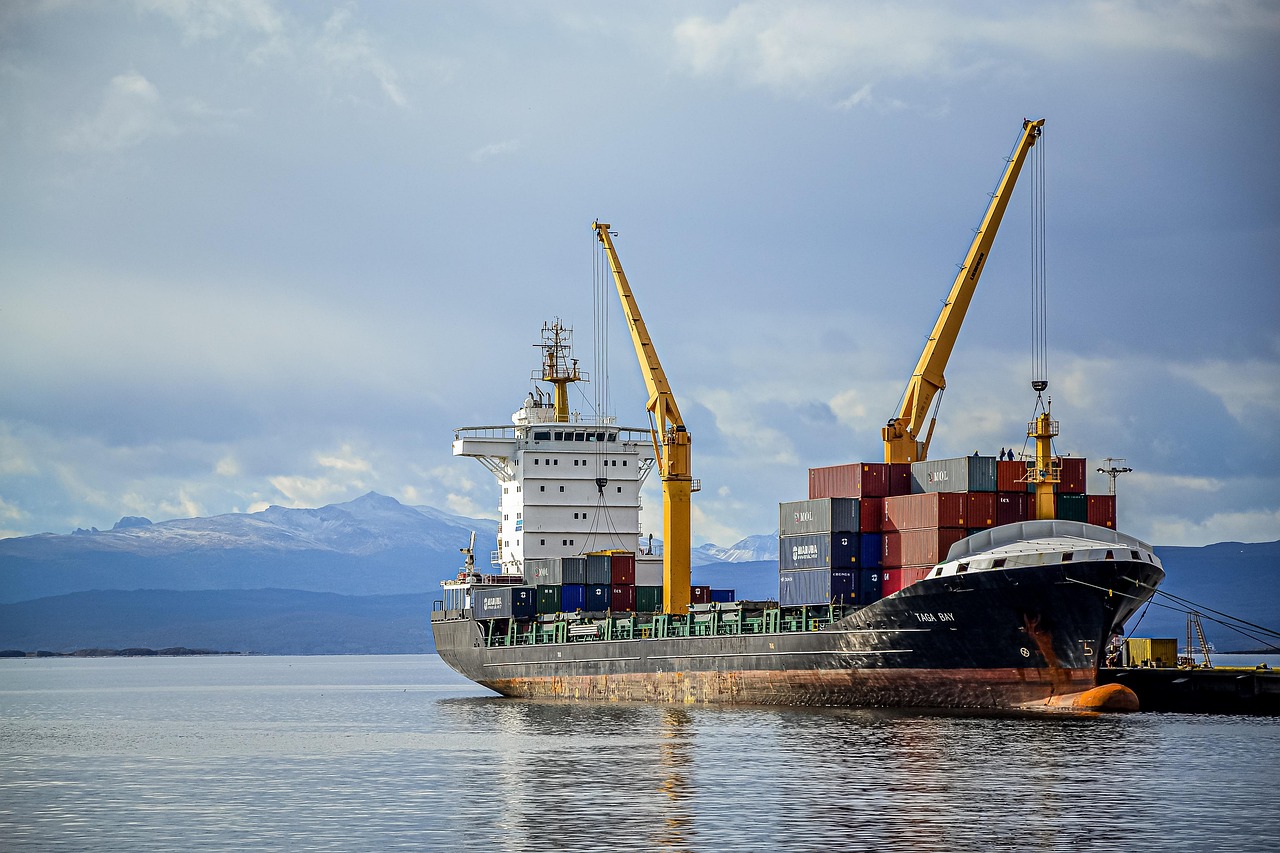
From vessel to onward transport, in four moves
1. Vessel Arrival
Berth allocation and pilotage coordinated ahead of arrival.
2. Berth & Mooring
Safe mooring and cargo documentation checks at quayside.
3. Load / Discharge
Crane, pipeline or conveyor transfer to and from storage.
4. Onward Transport
Dispatch by barge, rail or road into the hinterland.
Built for the vessels calling at our terminal
Tankers
Crude, product and chemical carriers
Bulk Carriers
Ore, coal, grain and mineral cargo
Container Feeders
Shortsea and feeder connections
Inland Barges
Rhine and hinterland waterway transfer
Crane, pipeline and conveyor — matched to the cargo
Ship-to-shore cranes handle general and bulk cargo, dedicated pipeline manifolds handle liquid transfer, and high-capacity conveyors move dry bulk between quay and stockpile.
- Ship-to-shore gantry and mobile harbour cranes
- Metered pipeline manifolds for liquid cargo
- Stacker-reclaimer conveyor systems
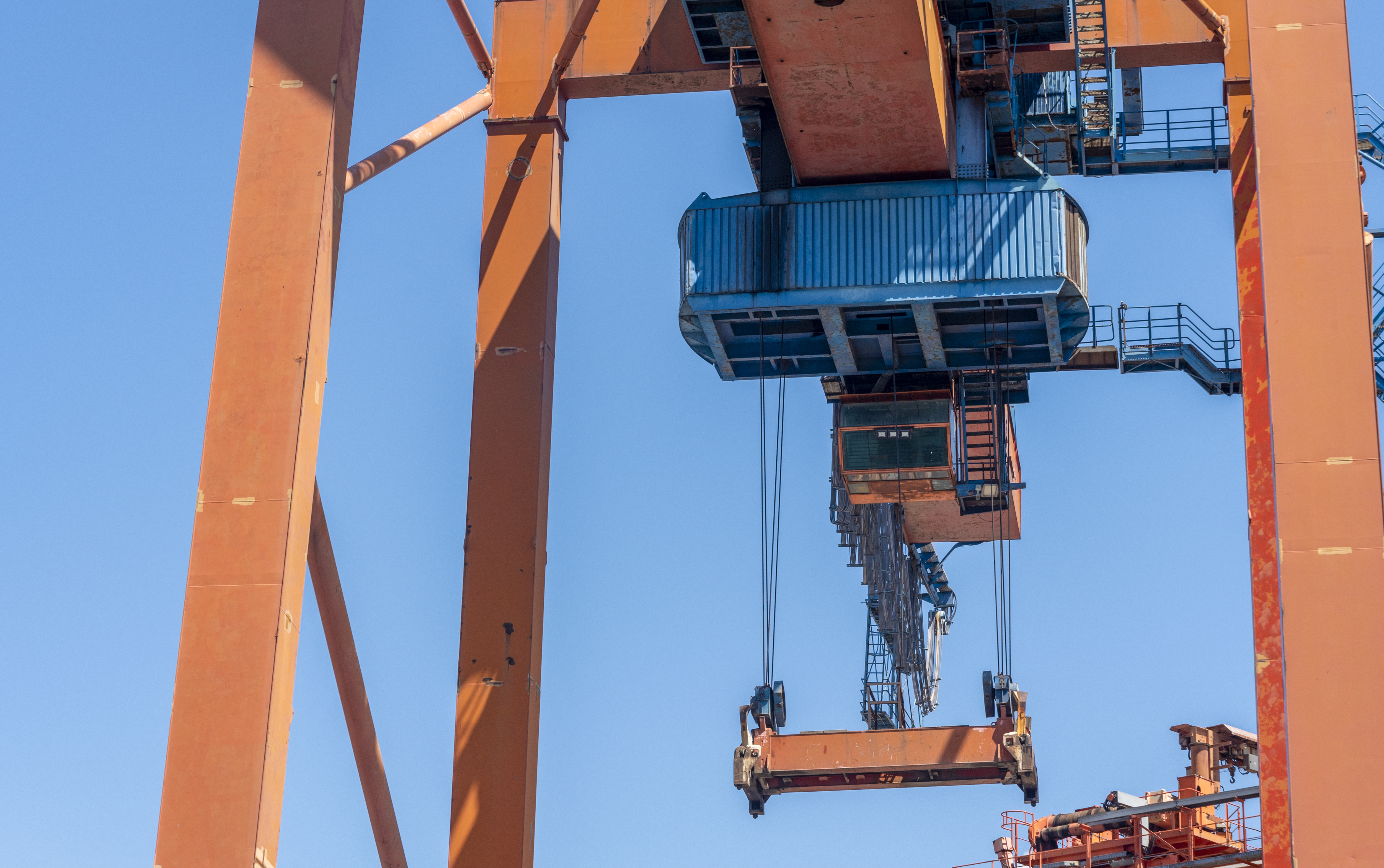
Liquid and dry cargo, on the same berths
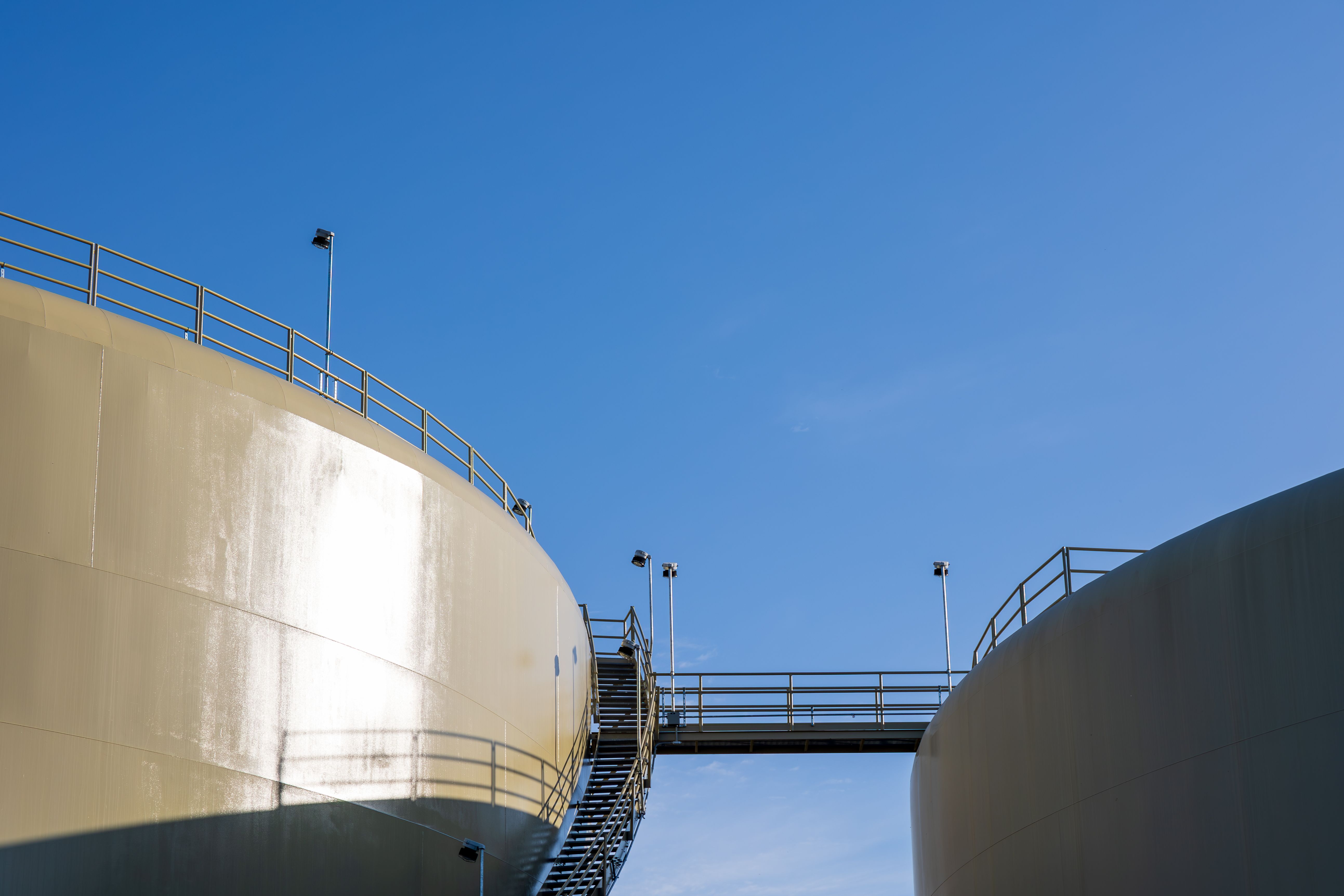
Petroleum & Chemicals
Crude, refined products and chemical grades.
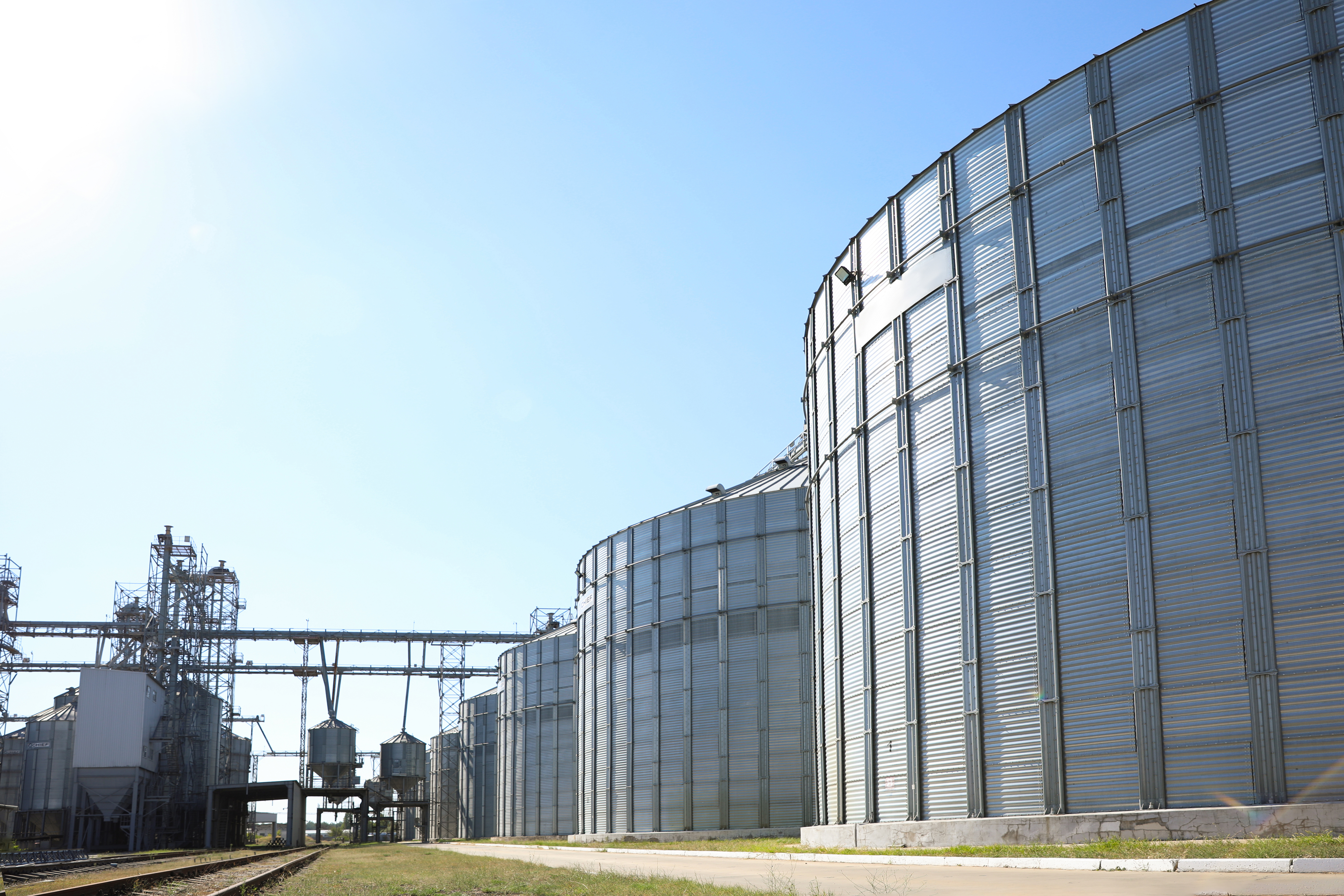
Dry Bulk
Ore, coal, grain and industrial minerals.
General & Container
Breakbulk and feeder container volumes.

No transfer starts without a safety check
Every crane lift, pipeline connection and conveyor start-up follows a permit-to-work process, with mandatory PPE for anyone on the quay.
Our HSE StandardsShore power while cargo transfers
Vessels berthed for transhipment can connect to shore power where available, cutting at-berth emissions during loading and discharge.
Our Sustainability Commitments
Transhipment at our hub & partners
Partner Sublease Locations
Transhipment access is also available through subleasing partners.
- Houston, US
- Zhoushan, China
- Jurong, Singapore